This blog post covers the basics of SEO, including keyword research, on-page optimization, link building, and measuring success through analytics.
Digital Marketing Coach Canada

Menu
Email Marketing Funnel vs. Sales Funnel: What’s the Difference?
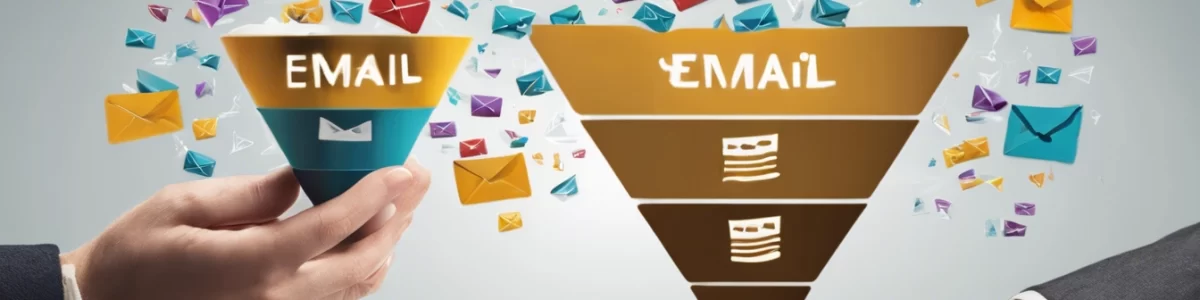
As someone who’s worked with a variety of businesses over the years, I’ve often been asked the same question: What’s the difference between an email marketing funnel and a sales funnel? If you’re thinking about it too, you’re not alone. The terms are often used interchangeably, but there are key distinctions between the two that can make all the difference for your business strategy.
In this post, I’ll walk you through what these two funnels are, how they work together, and most importantly, how you can use them to grow your business.
NEED HELP WITH EMAIL MARKETING?
Book a free 1:1 discovery session with me.
Let’s connect and create a game-plan that will change your entire digital presence for the better.
What is an Email Marketing Funnel?
Think of an email marketing funnel as a journey your subscribers go through, from the moment they sign up to your list, all the way to making a purchase—and sometimes even beyond. It’s specifically designed to nurture leads and guide them down a personalized path using email as the primary communication channel.
In an email marketing funnel, your goal is to build trust and establish relationships over time. The content you send, the frequency, and the calls to action all depend on where someone is in your funnel.
Let me break it down a little further with a simple example:
Stages of an Email Marketing Funnel:
-
Lead Magnet (Top of Funnel): This is where you attract leads, often through a free offer like a guide, checklist, or discount. In exchange, they give you their email address.
- Example: Someone visits your website and signs up for a free ebook on “10 Ways to Boost Your Social Media Presence.”
-
Nurturing (Middle of Funnel): Here, you send educational, value-packed emails to nurture the relationship. You aren’t selling directly yet, but you’re positioning your product or service as the solution to their problems.
- Example: You send a welcome email, followed by a sequence of helpful emails related to social media tips and strategies.
-
Conversion (Bottom of Funnel): This is where you make your offer. After nurturing your leads, you encourage them to take action—whether that’s purchasing a product, booking a consultation, or signing up for a webinar.
- Example: You send a limited-time offer or testimonial-driven email that prompts them to buy your social media course.
The email marketing funnel is focused on educating and warming up your audience so they feel ready to take the next step when they reach the bottom of the funnel.
NEED HELP WITH EMAIL MARKETING?
Book a free 1:1 discovery session with me.
Let’s connect and create a game-plan that will change your entire digital presence for the better.
What is a Sales Funnel?
Now, let’s talk about the sales funnel. While the email marketing funnel is all about nurturing through email, the sales funnel refers to the entire journey your customer takes with your business, often across multiple channels—not just email.
It includes everything from the first time they hear about your brand, whether that’s through an ad, social media, or a referral, to the point where they make a purchase and beyond. It’s a much broader concept and can include email as part of the process but also involves your website, phone calls, ads, in-person interactions, and more.
Here’s a visual breakdown of a typical sales funnel:
Stages of a Sales Funnel:
-
Awareness (Top of Funnel): This is the stage where people first become aware of your brand, product, or service. They might see an ad, hear about you from a friend, or find your blog on Google.
- Example: A potential customer sees your Facebook ad about your social media course.
-
Interest (Middle of Funnel): At this stage, they start to show interest in what you offer. They may sign up for your email list, follow you on social media, or explore your website.
- Example: They visit your website and read your blog post on social media strategies.
-
Decision (Bottom of Funnel): This is where they’re ready to make a decision. After engaging with your content and learning more about your product or service, they’ll weigh their options and decide if they want to buy.
- Example: After reading your emails and seeing your offers, they decide to purchase your course.
-
Action: Finally, they take action, whether that’s making a purchase, scheduling a consultation, or signing up for a service.
- Example: They complete the checkout process and enroll in your course.
The sales funnel is more about the overall customer journey, from that first touchpoint to becoming a paying customer (and potentially a repeat customer).
Key Differences Between Email Marketing Funnels and Sales Funnels
Now that we’ve covered what each funnel looks like, let’s get into the differences:
-
Scope:
The email marketing funnel is just one part of the bigger sales funnel. It’s laser-focused on building relationships through email communication. Meanwhile, the sales funnel is broader, encompassing the entire customer journey across multiple platforms. -
Channels:
Email marketing funnels rely primarily on email communication. Sales funnels, on the other hand, involve multiple channels—ads, social media, content marketing, phone calls, etc. -
Purpose:
The purpose of an email marketing funnel is to nurture leads and build trust over time using email. The sales funnel’s purpose is to turn a lead into a customer, using various touchpoints along the way. -
Process:
An email marketing funnel is more about creating a seamless experience for subscribers once they’ve opted in. The sales funnel starts before that, guiding prospects from the very first time they interact with your business.
How They Work Together
Here’s the cool part: your email marketing funnel doesn’t work in isolation. It’s an essential part of your overall sales funnel. Once someone enters your email funnel, you can nurture and guide them through to the final stages of your sales funnel (the decision and action stages).
Let’s say someone finds you through a Facebook ad (sales funnel), signs up for your free ebook (enters email funnel), and then, over time, receives value-packed emails that lead them to purchase (sales funnel completes). See how it’s all connected?
Final Thoughts
Both email marketing funnels and sales funnels are crucial for business success. While the sales funnel represents the entire customer journey, the email marketing funnel is a powerful tool for nurturing leads and moving them closer to a purchase. By understanding the differences and using both effectively, you can create a seamless, high-converting experience for your prospects.
If you haven’t already, start building your email marketing funnel today, and integrate it into your sales strategy. Trust me, when these two work together, the results are impressive.
Feel free to reach out if you have any questions about setting up your own email or sales funnel. I’d love to help you get started!
NEED HELP WITH DIGITAL MARKETING?
Book a free 1:1 discovery session with me.
Let’s connect and create a game-plan that will change your entire digital presence for the better.
You may also like to read these..
Looking to get a basic understanding about PPC advertising? Read this blog post to learn everything there is to know including terminologies!
Looking to get a basic understanding about PPC advertising? Read this blog post to learn everything there is to know including terminologies!
Looking to get a basic understanding about PPC advertising? Read this blog post to learn everything there is to know including terminologies!